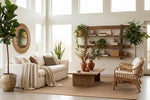
How to Choose Sustainable Home Décor for Every Room
, by Theodora Martinou, 9 min reading time
, by Theodora Martinou, 9 min reading time
Discover sustainable home décor ideas for every room. Explore natural materials, timeless furniture and thoughtful choices for a more responsible home.
Sustainable home décor brings together thoughtful design, lasting quality and responsible choices. It allows you to create beautiful spaces without constantly replacing furniture and accessories.
From living rooms to bedrooms, every space offers opportunities for more considered design. The key is choosing materials, finishes and furnishings that suit your lifestyle.

At Irregular Lines, we believe interiors should feel personal, functional and timeless. Here is how to approach sustainable home décor throughout your home.
The living room often contains your largest furniture investments. Choose pieces that combine durability, comfort and enduring appeal.
Consider these sustainable home décor ideas:
Choose reclaimed wood furniture where suitable.
Invest in well-made sofas with replaceable covers.
Add natural textures through rattan, linen and woven accessories.
Refresh existing furniture instead of replacing it.
Neutral colours and simple silhouettes provide flexibility as your tastes evolve. Add personality through cushions, artwork and smaller decorative pieces.
Explore our consoles and sideboards for functional storage with distinctive character.
A sustainable bedroom should feel comfortable, uncluttered and inviting. Prioritise materials that suit your needs and are easy to maintain.
Choose solid wood furniture, breathable natural-fibre bedding and durable bedside accessories. Look for transparent information about material composition, finishes and manufacturing.
Avoid buying decorative items simply to follow short-lived trends. Instead, select meaningful pieces that complement your bedroom for years.
Soft lighting also helps create a relaxing atmosphere. Choose efficient LED bulbs and lampshades that diffuse light comfortably.

Dining furniture experiences frequent use, making durability particularly important. A well-made dining table can remain useful through changing interiors and family routines.
Consider reclaimed timber, responsibly sourced wood and sturdy chairs with repairable components. Select finishes that tolerate everyday use without demanding excessive maintenance.

For smaller spaces, choose versatile furniture that serves several purposes. Extendable tables and flexible seating can reduce the need for additional pieces.
Keep the setting simple with ceramic tableware, reusable linen napkins and natural centrepieces.
The kitchen requires materials that withstand moisture, heat and frequent cleaning. Sustainability here depends on both material selection and long-term performance.
Choose durable storage containers instead of disposable alternatives. Display everyday utensils in attractive, reusable containers.
When updating your kitchen, consider repairing existing cabinetry before replacing it. Repainting suitable cupboard doors can refresh the space with less material waste.
Select durable worktop accessories and easy-to-clean finishes. Always check maintenance requirements before choosing natural materials for demanding areas.
Bathrooms benefit from simple accessories that combine function and longevity. Choose ceramic dispensers, washable textiles and durable storage solutions.
Replace disposable products with reusable alternatives where practical. Use refillable containers for frequently used toiletries.
For renovations, consider water-efficient fittings and long-lasting surfaces. Choose finishes that tolerate humidity and suit your cleaning routine.
Natural materials can add warmth, but suitability matters. Keep untreated wood and delicate fibres away from consistently wet areas.
A sustainable workspace should support productivity without unnecessary clutter. Start with a comfortable chair, a practical desk and suitable lighting.
Consider second-hand furniture or reclaimed timber for distinctive character. Reuse existing storage before purchasing additional organisers.
Choose energy-efficient task lighting and switch off equipment when unnecessary. Keep frequently used items accessible to reduce clutter and improve workflow.
Plants, natural textures and carefully chosen artwork can soften the workspace. Each addition should serve a purpose or bring lasting enjoyment.
Balconies, terraces and gardens need furniture suited to local weather conditions. Material durability is especially important when furnishings face sunlight, rain or humidity.
Choose outdoor pieces with appropriate finishes and straightforward maintenance requirements. Natural materials can work beautifully in covered spaces, depending on their treatment.
Use durable planters and reusable accessories to reduce unnecessary replacements. Consider repairing cushions and refinishing suitable furniture before buying new items.
For exposed areas, check each product’s outdoor suitability before purchasing.
Natural materials can offer beauty and durability, but their origins matter. Bamboo, timber, stone and natural fibres are not automatically sustainable.
Before purchasing, consider five important questions:
Material: What is the item made from?
Origin: Is its sourcing clearly explained?
Durability: Will it withstand everyday use?
Maintenance: Can it be repaired or refreshed?
End of life: Can its components be reused or recycled?
Look for credible certifications where relevant. Consider the complete product rather than relying on marketing claims alone.
It involves choosing furnishings and accessories with consideration for materials, durability, sourcing and waste. It also includes reusing existing items and avoiding unnecessary purchases.
Reclaimed wood, responsibly sourced timber and natural fibres can be useful options. Their environmental impact depends on sourcing, processing, durability and maintenance.
Some products cost more initially, particularly well-made furniture. However, durable pieces can offer better long-term value through fewer replacements.
Start by repairing, repainting or rearranging existing furniture. Shop second-hand and replace items only when necessary.
No. Natural materials can still involve intensive processing or irresponsible sourcing. Check product information and prioritise credible environmental claims.
Sustainable home décor is about making thoughtful choices rather than achieving perfection. Every repair, considered purchase and reused item can contribute to a more intentional home.
At Irregular Lines, we value distinctive design, natural textures and furniture that balances beauty with everyday function.
Explore our furniture and lighting collections for inspiration. For a more tailored approach, discover our residential interior design services and create a home that reflects your individual style.
Subscribe to our emails