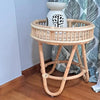
Rattan Furniture in Singapore: A Complete Buying & Care Guide
, by Theodora Martinou, 9 min reading time
, by Theodora Martinou, 9 min reading time
Discover the beauty and versatility of rattan furniture in Singapore. From choosing quality craftsmanship to caring for natural woven materials in a tropical climate, this designer's guide explores how to bring warmth, texture and timeless character into your home.
Rattan has a character that few furniture materials can replicate. Its natural texture, graceful curves and handcrafted details introduce warmth and individuality into contemporary interiors.
From Mediterranean-inspired homes to modern Singapore condominiums, rattan furniture has become a favourite among homeowners and interior designers looking to soften architectural spaces with natural materials.
But beyond its beauty, rattan is a material worth understanding.
Is it suitable for Singapore's humid climate? How do you recognise quality craftsmanship? Can rattan furniture be used outdoors? And what is the best way to maintain it?
At Irregular Lines, we believe that choosing furniture should go beyond appearance. Understanding materials, construction and functionality allows us to create interiors that are not only beautiful but also thoughtfully designed.
In this guide, we explore everything you should know before investing in rattan furniture.
Rattan is a natural material obtained from climbing palms, primarily found in tropical regions of Asia.
Unlike timber, which is typically cut from tree trunks, rattan grows as long, flexible stems that can be processed and shaped into furniture frames, woven surfaces and decorative elements.
Its combination of strength, flexibility and natural texture makes it particularly attractive for furniture design.
Rattan is frequently used for:
The material's distinctive character comes from the relationship between craftsmanship and form.
Designer insight: Rattan is especially effective when you want to introduce texture and visual warmth without making an interior feel heavy.
Explore our rattan and teak furniture collection for natural-material inspiration.
Rattan and wicker are often used interchangeably, but they do not mean the same thing.
Rattan refers to the material. Wicker refers to a weaving technique.
Wicker furniture can be produced using natural rattan, bamboo, willow, synthetic fibres or other suitable materials.
Understanding this distinction is important when purchasing furniture.
A woven chair described as wicker is not necessarily made from natural rattan.
Before buying, confirm the actual material used in the frame and woven surfaces.
For interior designers, this distinction is especially relevant when preparing furniture specifications and material schedules.
Singapore's tropical climate creates particular considerations for natural furniture materials.
Humidity, moisture and inadequate ventilation can affect the performance of natural rattan over time.
However, this does not mean rattan furniture is unsuitable for Singapore homes.
Well-constructed natural rattan furniture can perform successfully indoors when it is appropriately finished, positioned and maintained.
Natural rattan is generally best suited to protected indoor spaces.
For balconies, terraces or outdoor areas exposed to rain, purpose-made outdoor furniture may be more appropriate.
Designer insight: Material selection should always respond to the environment. A beautiful material becomes a successful design choice when it is used in the right conditions.
Not all rattan furniture is constructed to the same standard.
When selecting a piece, look beyond its appearance.
A well-made chair or table should feel stable and appropriately reinforced.
Check for loose joints, excessive movement and visible structural weaknesses.
Look for consistent weaving tension and secure connections.
Small variations are normal in handmade products, but loose or damaged weaving can affect performance.
A suitable finish can help protect the material and make routine maintenance easier.
Ask whether the product has been treated for its intended environment.
For seating, assess seat height, back support and overall comfort.
A beautiful chair should also be enjoyable to use.
Confirm whether the furniture is designed for residential, commercial, indoor or outdoor use.
Do not assume that all rattan furniture is suitable for restaurants, hotels or other high-traffic environments.
Natural and synthetic rattan may look similar, but their properties differ.
Natural rattan is valued for its organic appearance, tactile quality and handcrafted character.
It is particularly attractive for indoor furniture and decorative applications.
Synthetic rattan generally refers to manufactured fibres woven to create a rattan-like appearance.
Certain products are engineered for outdoor use and may offer better resistance to moisture and weather exposure.
However, performance depends on the specific material and product construction.
Neither material is automatically superior.
The correct choice depends on the location, intended use, desired appearance and maintenance expectations.
One of rattan's greatest strengths is its versatility.
It can complement Mediterranean, Bohemian, Scandinavian, tropical and contemporary interiors.
The secret is to use it thoughtfully rather than filling an entire room with matching woven furniture.
Rattan and timber share a natural warmth.
A woven accent chair beside a teak side table creates a harmonious combination of materials.
Introduce a rattan chair into a minimalist living room or use a woven pendant above a modern dining table.
The contrast between organic texture and clean architectural lines creates visual interest.
Neutral cushions, linen upholstery and textured throws can soften the appearance of woven furniture.
A single sculptural rattan chair or oversized woven pendant can become the focal point of a room.
Designer insight: The most interesting interiors are often created through contrast, not repetition.
Explore our cushions and throws for complementary textures.
Rattan can be particularly effective in compact interiors because many woven designs have an open, visually lightweight appearance.
A chair with an exposed frame may feel less visually dominant than a fully upholstered armchair of similar dimensions.
For smaller homes, consider:
However, visual lightness does not replace practical space planning.
Always check the dimensions and circulation requirements before purchasing.
A well-proportioned piece will contribute more to a small interior than an oversized statement chair, regardless of material.
Regular maintenance can help preserve the appearance and condition of natural rattan.
Use a soft brush or a vacuum with a suitable brush attachment to remove dust from woven surfaces.
For suitable finished surfaces, use a lightly dampened cloth when necessary.
Avoid soaking natural rattan.
If the furniture becomes wet, allow it to dry promptly in a well-ventilated location.
Strong cleaning agents may damage finishes or affect the material.
Always follow the manufacturer's instructions.
Check for loose weaving, damaged joints or signs of moisture-related deterioration.
Address problems early rather than allowing damage to progress.
Rattan is a renewable natural resource, but that does not automatically make every rattan product sustainable.
Environmental responsibility depends on factors such as sourcing, harvesting practices, processing, manufacturing, transport and product lifespan.
When evaluating rattan furniture, consider:
Quality craftsmanship and appropriate maintenance can support longer product life.
At Irregular Lines, we value natural materials and thoughtful design choices that balance aesthetics, function and longevity.
Learn more about our design philosophy.
For professional interior designers, specifying rattan requires additional consideration.
A product must suit the design concept while meeting functional and project requirements.
Before specifying rattan furniture, confirm:
Commercial interiors may have specific durability, fire-safety or other requirements that differ from residential projects.
A successful specification considers both visual character and technical suitability.
Rattan can bring craftsmanship, warmth and personality to a project when these requirements are carefully addressed.
Rattan furniture offers something increasingly valuable in contemporary interiors: texture, individuality and a connection to natural craftsmanship.
Its beauty lies not only in the material itself, but in the way it is shaped, woven and incorporated into a thoughtfully designed space.
Whether you are furnishing your first home, introducing a statement chair into your living room or selecting furniture for an interior design project, understanding quality, application and maintenance will help you make a more confident choice.
At Irregular Lines, we believe that furniture should do more than occupy a space. It should bring character, comfort and meaning to the way we live.
Explore our rattan and teak furniture collection and discover pieces that bring natural warmth into your interiors.
Yes. Natural rattan can be suitable for indoor use in Singapore when properly constructed, finished and maintained. Good ventilation and protection from persistent moisture are important.
Most natural rattan furniture is better suited to protected indoor areas. For exposed outdoor spaces, choose furniture specifically designed and rated for outdoor use.
Rattan is a natural material obtained from climbing palms. Wicker refers to a weaving technique that can use rattan or other natural and synthetic materials.
Remove dust using a soft brush or suitable vacuum attachment. Where appropriate, clean gently with a lightly dampened cloth and dry thoroughly. Avoid soaking the material or using harsh cleaning products.
Quality rattan furniture can provide years of use when properly constructed, positioned and maintained. Durability depends on the material, frame, weaving, finish and intended application.
Yes, provided the furniture is suitable for the intended application and meets any relevant project requirements. Designers should verify specifications, durability and applicable fire-safety requirements before selecting products.
Subscribe to our emails