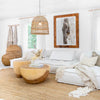
Why Natural Materials Age Better Than Synthetic Ones
, by Theodora Martinou, 8 min reading time
, by Theodora Martinou, 8 min reading time
Discover why natural materials age beautifully, develop character and bring lasting appeal to thoughtful, timeless interiors.
Natural materials bring something special to interiors: the ability to grow more beautiful with time. Unlike many synthetic alternatives, they develop character through everyday use. Their surfaces evolve, their textures deepen and their imperfections tell a story.
From solid wood and natural stone to linen and leather, these materials connect our homes with the natural world. They also offer a more individual approach to interior design. At Irregular Lines, thoughtful material choices help create spaces that feel personal, timeless and inviting.
One of the greatest qualities of natural materials is their ability to change gracefully. Their appearance evolves through light, touch and everyday living.
Wood may deepen in colour as it matures. Brass can develop a soft patina. Leather often becomes more supple with use. These changes give furniture a distinctive personality.

Synthetic surfaces usually aim to maintain a consistent appearance. However, scratches, peeling and fading can make damage more noticeable. Some natural materials also suffer wear, but their changes can often enhance their appeal.
Design tip: Choose finishes that welcome gentle ageing. Oiled timber, brushed metal and natural leather can develop attractive character with proper care.
Interior trends come and go, but certain materials remain relevant across generations. Natural stone, solid timber and woven fibres have enduring visual appeal.
Their colours and textures work across many design styles. A wooden dining table can suit contemporary, rustic or Mediterranean interiors. A stone side table can complement both minimalist and eclectic spaces.
Synthetic materials can also create beautiful, lasting designs. However, heavily patterned finishes or trend-led colours may feel dated sooner.
Choosing natural materials helps establish a flexible foundation. You can refresh accessories and colours without replacing major furniture pieces.
Design tip: Invest in timeless furniture silhouettes. Let natural grain, texture and form provide visual interest instead of decorative excess.
Natural materials often reveal the skill behind their transformation. Wood grain, stone veining and handwoven textures make each piece slightly different.
This individuality gives interiors a sense of authenticity. It also makes carefully crafted furniture feel more personal than mass-produced alternatives.
The material alone, however, does not guarantee quality. Poor construction can shorten the life of even the finest timber furniture. Skilled workmanship, suitable finishes and sound joinery remain essential.
Irregular Lines brings together distinctive furniture and décor through considered curation. Material, form and function all contribute to pieces that feel relevant beyond a single season.
Design tip: Look closely at joints, finishes, edges and structural stability. Quality construction matters as much as the material itself.
Long-lasting furniture can reduce the need for frequent replacement. This makes durability an important consideration when creating more sustainable interiors.
Responsibly sourced timber, durable stone and repairable furniture can support this approach. Natural fibres may also offer practical alternatives for certain upholstery and accessories.
However, natural does not automatically mean sustainable. Extraction, transportation, processing and maintenance all affect environmental impact. Some synthetic products also offer impressive durability and lower maintenance requirements.
The better choice depends on the product, its origin and its expected lifespan. Consider repairability, material composition and responsible sourcing before purchasing.
Design tip: Choose pieces that can be maintained or repaired. Ask suppliers about material origins, finishes and available replacement components.
Natural materials reward appropriate care. Simple maintenance can help preserve their appearance and extend their useful life.

Wood: Dust regularly and use suitable cleaners. Protect surfaces from prolonged moisture and excessive heat.
Natural stone: Clean with a product suited to the specific stone. Avoid acidic cleaners on acid-sensitive surfaces such as marble.
Linen: Follow the care label and avoid unnecessary high-temperature washing.
Leather: Remove dust gently and use appropriate conditioners when recommended.
Rattan and woven fibres: Keep them clean and avoid prolonged exposure to excessive moisture.
Well-maintained furniture can remain useful for decades. Its evolving appearance may even become one of its most appealing features.
You do not need to redesign an entire room to enjoy natural materials. A few considered additions can transform its atmosphere.
Start with a timber dining table, a stone coffee table or linen cushions. Introduce woven lighting, textured ceramics or natural-fibre rugs for added depth.
Mixing materials creates a more layered interior. Combine smooth stone with tactile timber, soft linen and woven details. Keep the palette balanced through warm neutrals and earthy tones.
Natural materials also help connect indoor and outdoor spaces. Timber furniture, textured ceramics and natural fabrics can create a relaxed atmosphere. Choose suitable outdoor materials and finishes for exposed settings.
Natural materials often develop patina, colour variation and texture through use. Synthetic materials tend to retain their original appearance until visible wear occurs. Performance depends on the specific material and finish.
Well-maintained stone, solid timber and quality leather can last for many years. Construction, environmental conditions and maintenance influence their lifespan.
No. Sustainability depends on sourcing, processing, transport and longevity. Responsible purchasing and long-term use are important considerations.
Some do, particularly untreated timber and certain natural stones. Appropriate finishes and simple care routines can make maintenance manageable.
The appeal of natural materials lies in their ability to evolve alongside everyday life. Their textures, variations and patina make interiors feel more individual over time.
Choosing well-made pieces also encourages a more considered approach to furnishing. Rather than following every new trend, invest in materials and designs that continue to serve you.
At Irregular Lines, thoughtful curation brings together distinctive furniture, lighting and décor for considered living. Explore pieces that balance natural character, everyday function and enduring design.
Subscribe to our emails