How Lighting Elevates Natural Materials
, by Theodora Martinou, 7 min reading time
, by Theodora Martinou, 7 min reading time
Discover how thoughtful lighting enhances natural materials, revealing the texture of timber, rattan, stone and linen in beautiful interiors.
Natural materials bring depth and individuality to interiors. Timber reveals its grain, stone offers subtle tonal variations, and woven fibres introduce intricate patterns. Yet these qualities can easily disappear under flat or poorly positioned lighting.
The right lighting reveals these details and creates a stronger connection between furniture, architecture and atmosphere. For residential projects and boutique hotels, it can make simple materials feel far more expressive.

Timber can appear dramatically different depending on the direction and quality of light. Side lighting can reveal grain, texture and surface variations. Softer ambient light creates a more even appearance.
Consider a timber console, dining table or shelving unit. A nearby lamp can highlight its surface without overwhelming the surrounding space.
Avoid excessive glare on polished finishes. Test the lighting at different times of day to understand how the wood responds.
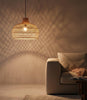
Rattan and other woven materials interact beautifully with light. Open structures allow illumination to pass through, creating patterns across nearby walls and ceilings.
A woven pendant can therefore contribute to both illumination and decoration. Its silhouette remains visible during the day, while its shadows add interest after dark.

Explore the Irregular Lines rattan lighting collection for pendants and other woven lighting designs.
Use patterned light selectively. Too many competing shadows can make a room feel visually busy.
Stone can feel cool and understated under uniform lighting. Directional light can reveal its texture, edges and natural variations.
Wall-mounted lighting or carefully positioned accent lights can emphasise a stone feature, console or architectural surface.
Consider the finish before choosing the light. Polished stone can reflect glare, while textured finishes respond differently to grazing light.
In boutique hotels, subtle illumination can give reception counters and feature walls greater presence without relying on excessive decoration.

Linen, cotton and textured upholstery bring softness to an interior. Harsh lighting can flatten these surfaces or create unwanted contrast.
Warm, diffused light often complements neutral textiles and relaxed residential settings. Bedside lamps and shaded table lamps can create intimate areas for reading and unwinding.
In hotel bedrooms, combine ambient lighting with suitable reading lights. The result should feel welcoming while remaining practical for guests.
A well-designed room uses several lighting sources for different purposes.
Ambient lighting provides general illumination. Task lighting supports activities, while accent lighting highlights selected materials or architectural details.
For example, a living room might combine a pendant and a floor lamp beside an armchair.
Explore the Irregular Lines pendant lighting collection for fixtures that contribute both illumination and visual interest.
For wider project inspiration, visit IL Projects' residential interior design page.
Beautiful materials do not need to be illuminated equally. Choose one or two features to emphasise, then let the remaining surfaces provide visual calm.
Consider colour temperature, brightness and the direction of each light. Test samples in the actual room, especially where several finishes meet.
In hospitality settings, make sure the lighting remains practical for cleaning, maintenance and everyday guest activities. Atmosphere should support the space, not compromise its function.
How does lighting affect natural materials?
It changes how their colours, textures and surface details appear throughout the day.
What lighting works best with timber?
Soft ambient light and carefully positioned directional lighting can both work well. The best choice depends on the timber's finish and the intended effect.
Does rattan look better under warm lighting?
Warm light often complements rattan's earthy tones, although the best colour temperature depends on the material and surrounding palette.
How can lighting highlight stone?
Directional or grazing light can reveal surface texture. Test the position to avoid distracting reflections.
How many lighting sources should a room have?
There is no fixed number. Combine ambient, task and accent lighting according to the room's size and activities.
Can natural materials improve boutique hotel interiors?
They can add texture and character. Their performance depends on appropriate material selection, installation and maintenance.
Lighting allows natural materials to reveal their full character. It brings out the grain of timber, the patterns of woven fibres and the depth of stone. By combining thoughtful placement with suitable light quality, designers can create interiors that feel warm, layered and authentic. The result is not simply a well-lit room, but a space where materials and atmosphere work together.
Subscribe to our emails