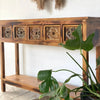
Why Handmade Furniture Stands Apart
, by Theodora Martinou, 6 min reading time
, by Theodora Martinou, 6 min reading time
Discover why handmade furniture stands apart through individuality, craftsmanship and natural character, for homes and boutique hotels alike.
Handmade furniture brings individuality to interiors. Each piece reflects decisions about materials, proportions, finishes and form. These details can give a home or boutique hotel a character that standardised furnishings rarely achieve on their own.
However, handmade does not automatically mean better. The real difference lies in thoughtful design, skilled workmanship, suitable materials and quality control.
Natural materials often reveal variations in grain, tone and texture. Handwoven fibres can also show subtle differences that make each piece distinctive.
These details add depth to an interior. A handmade stool beside a contemporary sofa can introduce warmth without making the room feel traditional.
Explore the Irregular Lines handmade and natural furniture collections for examples of furniture featuring natural materials and individual character.
Good craftsmanship is more than an attractive finish. It involves proportion, construction, stability and attention to detail.

Look closely at joints, edges, woven sections and the way different materials meet. Ask about construction methods and maintenance requirements before purchasing.
For residential projects, craftsmanship can help create a meaningful connection between furniture and architecture. For boutique hotels, it can introduce distinctive details across guest rooms, lounges and dining spaces.
A thoughtfully furnished interior should reflect its occupants, location and purpose.
Handmade pieces offer opportunities to introduce distinctive shapes, textures and finishes. They can also complement contemporary architecture without relying on matching furniture sets.
For projects requiring specific dimensions or finishes, IL Projects' bespoke design service offers a route to customised furniture and carpentry.
The result should feel integrated with the space rather than added as an afterthought.
Handmade furniture is not automatically durable, and mass-produced furniture is not necessarily inferior. Construction, materials and intended use determine how well a piece performs.
Inspect furniture carefully. Check its stability, finish, comfort and suitability for everyday use.
For hospitality projects, consider the demands of frequent use and the practicality of cleaning. Ask suppliers about replacement parts, repairs and care instructions.
A beautifully made chair is only a good investment if it also meets the needs of its setting.
Furniture that remains useful and appealing over time can reduce the need for frequent replacement. Timeless proportions, repairable construction and appropriate materials all contribute to longer service life.
Natural materials can develop attractive patina, but they still require suitable care. Follow the manufacturer's guidance for cleaning, moisture exposure and maintenance.

When selecting furniture, consider its entire useful life rather than appearance alone.
A room becomes more personal when its furniture has character and purpose. Handmade pieces can bring visual texture and a sense of human involvement into an otherwise restrained interior.
In boutique hotels, these details can help create a recognisable atmosphere. In residential spaces, they can make rooms feel collected rather than assembled from a single catalogue.
Explore IL Projects' boutique hotel and retail design approach for a wider perspective on distinctive commercial interiors.
What makes handmade furniture different?
It is made through hands-on processes, which can introduce distinctive details and variations.
Is handmade furniture always better quality?
No. Quality depends on materials, construction, workmanship and suitability for the intended use.
Is handmade furniture more sustainable?
Not automatically. Consider material sourcing, durability, repairability, manufacturing and transport.
Does handmade furniture suit modern interiors?
Yes. Sculptural forms and natural textures can complement minimalist and contemporary architecture.
Is handmade furniture suitable for boutique hotels?
Yes, when its construction, maintenance and durability meet hospitality requirements.
How should I care for handmade furniture?
Follow the supplier's instructions for cleaning, moisture exposure and surface maintenance.
Handmade furniture offers something valuable: the opportunity to choose pieces with individuality and considered design. Its superiority is not simply in how it is made, but in how well it serves the space. When craftsmanship, quality and purpose come together, furniture becomes more than a practical object. It becomes part of the interior's identity.
Subscribe to our emails