Six Ways Custom Carpentry Transforms an Interior
, by Theodora Martinou, 7 min reading time
, by Theodora Martinou, 7 min reading time
Discover how custom carpentry elevates interiors through tailored storage, thoughtful proportions, beautiful finishes and functional design.
Custom carpentry allows furniture and architectural details to respond to the space.
Instead of adapting a room around standard furniture, individual elements reflect its proportions and purpose.
This creates an interior that feels more considered, functional and persona
Standard furniture offers convenience, but it does not always accommodate every layout. Unusual corners, sloping ceilings and narrow spaces can create limitations.
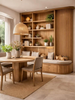
Consider a wall of integrated shelving or a fitted wardrobe extending to the ceiling. These details create continuity while making better use of available space.

Every home has areas that are difficult to furnish. Alcoves, awkward corners and spaces beneath staircases often remain underused.
Bespoke solutions can turn these areas into functional features. Think integrated desks, concealed storage or fitted window seating.
In smaller homes, this approach can be particularly valuable. It reduces unnecessary furniture and creates a more streamlined layout.
A cohesive interior does not mean every room needs identical furniture. It means individual elements should relate to one another.
Custom cabinetry can repeat timber tones, finishes or detailing throughout a home. Kitchen joinery might complement a living room media unit.
This creates a natural flow between adjoining spaces. It also makes the overall design feel intentional.
Storage can be designed around individual routines and everyday requirements. For example, a home office may need concealed cables and adjustable shelving.
Bedrooms often benefit from integrated dressing areas and practical drawers. Kitchens also become more efficient through carefully planned storage.
Consider curved shelving, decorative timber panelling or an integrated window seat. These elements add personality without relying on excessive decoration.
A simple wall can become a focal point through carefully considered joinery. The detailing often makes the greatest difference.

Bespoke joinery offers greater freedom when selecting finishes. Timber, veneer and engineered boards can complement existing flooring and furniture.
Selection depends on the intended application, appearance and budget. Long-term maintenance and how materials age should also influence decisions.
Custom carpentry requires investment in planning and workmanship. However, it can offer lasting value when designed carefully.
Avoid choosing details simply because they are fashionable. Prioritise useful layouts, durable finishes and timeless proportions.
Think about how your needs may change. Adjustable shelving and adaptable storage can extend the usefulness of a design.
Different rooms offer different opportunities for bespoke solutions.
Before commissioning custom carpentry, think about functionality first. Establish what needs storing and how the space will be used.
Accurate measurements are essential. Discuss materials, finishes, installation and maintenance before production begins.
It is also important to consider the surrounding architecture. Joinery should complement the room rather than compete with it.
It can be worthwhile when standard furniture cannot meet your requirements. Quality, materials and design complexity influence the overall value.
Yes. It can transform awkward spaces into useful storage and functional furniture.
Timber, veneer and engineered boards are common choices. Selection depends on appearance, durability, location and budget.
Absolutely. Matching timber tones or coordinating finishes can create a cohesive interior.
Timescales depend on complexity, materials and installation requirements. Confirm a realistic programme with your designer or carpenter.
No. It can complement traditional, Mediterranean, minimalist and eclectic interiors.
Custom carpentry is about more than creating storage. It brings architecture, furniture and functionality together through thoughtful design.
The right solution can improve everyday routines while giving a room its own identity. It can also make difficult spaces feel purposeful and complete.
At Irregular Lines, we believe individuality and functionality should work together. Bespoke thinking allows interiors to reflect the people who inhabit them, rather than following standard solutions.
Subscribe to our emails