Benefits of Mood Boards in Interior Design
, by Theodora Martinou, 8 min reading time
, by Theodora Martinou, 8 min reading time
Discover how mood boards simplify interior design, align client expectations and bring creative ideas to life. Explore practical steps, tools and benefits for residential and commercial projects
Mood boards are essential tools for successful interior design projects. They translate creative ideas into clear visual concepts before implementation begins. By combining colours, materials, textures and imagery, designers establish a cohesive direction. This process improves communication, supports confident decisions and reduces costly design changes.
Mood boards help transform inspiration into practical design strategies. They connect aesthetic preferences with functional requirements, ensuring every element contributes to the overall vision.

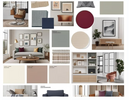
They are curated collections of visual references that communicate a design concept. They typically combine several elements to establish a consistent style.
These elements include:
Colours: Shades that define the atmosphere and visual identity.
Textures: Fabrics, finishes and surfaces that introduce depth.
Materials: Timber, stone, metal, glass and other finishes.
Imagery: Interior photography, architectural details and lifestyle references.
Furniture: Shapes, silhouettes and decorative accessories.
Lighting: Fixtures and concepts that influence ambience.
Together, these components create a shared visual language. Clients can understand the proposed direction before selecting products or approving finishes.
Words alone rarely communicate a complete design concept. Descriptions such as luxurious, contemporary or inviting can mean different things to different people.
Mood boards make these ideas tangible. Clients can see how colours, furniture and materials work together. This clarity helps establish expectations before major decisions begin.
Successful interior design depends on shared understanding. Mood boards allow designers to present ideas visually and gather meaningful feedback.
Clients can identify preferred materials, colours and styles early. Designers can then refine the concept around practical needs and personal preferences.

Changing finishes after installation can increase project costs. Mood boards help identify inconsistencies before purchasing materials or commissioning furniture.
Reviewing options together also speeds up approvals. This creates a more efficient design process and reduces unnecessary delays.
Start by identifying the intended feeling of the space. Should it feel relaxed, sophisticated, energising or luxurious?
Consider the occupants, daily routines and architectural features. A Mediterranean living room might feature warm stone, natural timber and muted blue accents.
Establishing this emotional direction helps every subsequent choice support the concept.
Gather references that reflect the chosen direction. Include fabric samples, flooring, furniture, lighting and architectural photography.
Digital platforms such as Canva, Pinterest and Milanote help organise visual references.
Choose images carefully rather than collecting everything that looks attractive. Consistency matters more than quantity.
Arrange references according to colour, texture, furniture or lighting. Place complementary materials together to evaluate their relationship.
Avoid overcrowding the board with competing ideas. Leave enough visual space for each element to stand out.
Review the complete composition before presenting it. Every detail should reinforce the intended atmosphere.
Explore IL Projects' residential interior services for inspiration on creating considered living spaces.
Physical and digital mood boards each offer valuable advantages.
Physical boards allow clients to touch fabrics, compare finishes and experience materials directly. They are particularly useful when assessing texture and subtle colour differences.
Digital boards are easy to update, share and present remotely. They also simplify collaboration across different locations.
Many designers combine both formats. Digital references establish the overall concept, while physical samples confirm material choices.
For further reading, explore Beautiful Homes' guide to mood boards.
Mood boards offer practical advantages beyond aesthetics. They help coordinate materials, establish priorities and communicate decisions throughout a project.
Their main benefits include:
Greater confidence: Clients understand the concept before approving purchases.
Improved coordination: Colours, finishes and furniture follow one direction.
Better efficiency: Early reviews reduce misunderstandings and revisions.
Stronger storytelling: Visual references communicate the intended lifestyle.
Consistent results: Designers maintain a clear reference throughout implementation.
They communicates a design concept visually. It combines colours, materials, furniture and imagery to establish a clear direction.
Include a colour palette, material samples, furniture references, lighting ideas and inspirational imagery. Select elements that support one consistent concept.
Yes. Digital boards simplify editing, sharing and collaboration. Physical samples can complement them when assessing real textures and finishes.
They help identify unsuitable combinations before purchasing materials. Early feedback can reduce expensive changes during installation.
Canva, Pinterest and Milanote offer useful ways to organise inspiration. Physical boards remain valuable for comparing actual materials and finishes.
Create it during the initial concept stage. This allows clients and designers to agree on the direction before detailed specifications and purchases.
Mood boards transform interior design ideas into practical visual strategies. They align expectations, coordinate materials and support confident decisions from the beginning.
By combining thoughtful references with a clear concept, designers create spaces that feel cohesive and purposeful.
Subscribe to our emails