Affordable Luxury: How to Make Your Home Feel Expensive
, by Theodora Martinou, 9 min reading time
, by Theodora Martinou, 9 min reading time
Discover affordable luxury through thoughtful lighting, layered textures and elegant details that make your home feel refined without overspending.
Affordable luxury begins with thoughtful choices, not expensive purchases. A beautifully designed home reflects balance, comfort and attention to detail. Furniture prices alone cannot create an elegant interior.
The secret lies in combining lighting, texture, colour and proportion. Carefully chosen pieces can transform ordinary rooms into inviting, sophisticated spaces. With a considered approach, even modest budgets can achieve lasting visual appeal.
Luxury is a feeling rather than a price tag. A refined interior feels harmonious, comfortable and thoughtfully arranged.
Three principles make the greatest difference:
Cohesion: Complementary colours and materials create visual harmony.
Comfort: Tactile fabrics, inviting seating and warm lighting encourage relaxation.
Restraint: Carefully selected accessories give each piece room to shine.
Affordable luxury comes from understanding how these elements work together.
Every room benefits from one or two distinctive features. Consider a sculptural pendant, an oversized mirror or striking artwork.
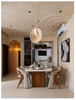
Position statement pieces where they naturally attract attention. A pendant above the dining table creates an immediate centrepiece. A large mirror can also reflect daylight and make smaller rooms feel more spacious.
Avoid matching every accessory. Thoughtful contrast creates a more individual, collected appearance.
Lighting influences the atmosphere of a room more than many people realise. A single overhead fixture rarely creates the most inviting environment.
Combine three types of lighting:

Ambient: Provides general illumination throughout the room.
Task: Supports activities such as reading, cooking and working.
Accent: Highlights artwork, architectural details or decorative objects.
Choose warm-white bulbs for a relaxed evening atmosphere. Dimmers provide additional flexibility throughout the day.
Table lamps and wall lights also introduce depth. Together, these sources create a softer, more considered interior.
Texture adds depth without requiring expensive furniture. Combining contrasting surfaces makes a room feel more layered and inviting.

Pair linen cushions with a soft wool throw. Introduce a woven rug beneath a smooth wooden coffee table. Ceramic accessories can add another tactile dimension.
Curtains can also transform a room. Hang them close to the ceiling to emphasise height. Choose fabrics that complement the existing colour palette.
Affordable luxury depends on how materials work together. Prioritise comfort, durability and visual character over prominent brand names.
Clutter can distract from even the most beautiful furnishings. A carefully edited room allows individual pieces to make an impression.
Begin by removing accessories that no longer serve a purpose. Keep meaningful objects, favourite books and distinctive decorative pieces.
Use baskets, closed storage and attractive trays to organise everyday essentials. Group smaller accessories into considered arrangements rather than scattering them across surfaces.

Leave some surfaces clear. Negative space gives furniture and artwork greater visual impact.
Small improvements can refresh a room without replacing everything. Focus on details that influence the overall appearance.
Consider these simple changes:
Replace dated cabinet handles with understated, complementary finishes.
Refresh tired walls with warm neutrals or muted natural colours.
Add greenery to introduce life and soften architectural lines.
Replace worn lampshades or outdated light fittings where practical.
Repair existing furniture before investing in replacements.
Choose finishes that complement your current furniture. Consistency creates a more polished result without unnecessary expense.
A restrained palette creates a versatile foundation. Consider warm white, sand, muted green or soft stone tones.
Introduce contrast through timber, woven fibres, ceramics and tactile fabrics. Natural materials can develop character over time when properly maintained.
Avoid choosing materials solely for their appearance. Consider durability, maintenance and suitability for everyday use.
For outdoor spaces, apply the same principles. Comfortable seating, layered lighting and weather-appropriate textiles create an inviting extension of the home.
Furniture does not need to be expensive to look well considered. Its scale and placement matter considerably.
Measure rooms before purchasing larger pieces. Allow comfortable circulation around sofas, dining tables and storage.
In compact spaces, choose furniture with practical proportions. Multi-functional pieces can improve usability without overcrowding the room.
Arrange accessories in groups of varying heights. This creates visual rhythm while keeping surfaces organised.
Start with lighting, decluttering and a cohesive colour palette. Refresh existing furniture and introduce tactile textiles before buying new pieces.
Warm whites, soft taupes, stone shades and muted greens create a timeless foundation. Introduce contrast through darker accents and varied textures.
Not necessarily. Well-proportioned furniture with considered finishes can look sophisticated at many price points. Quality, placement and maintenance all influence its appearance.
Rearrange existing furniture, improve lighting and remove unnecessary clutter. Cushions, throws and carefully chosen accessories can provide an affordable refresh.
Combine ambient, task and accent lighting. Warm-white bulbs and dimmers help create a comfortable atmosphere for different activities.
No. Sustainability depends on sourcing, production, durability and disposal. Choose well-made pieces that suit your needs and can remain useful for years.
A beautiful home does not require constant spending. It requires attention to the details that make everyday living more comfortable.
Focus on proportion, lighting, texture and pieces with lasting appeal. Preserve what works and improve what does not.
At Irregular Lines, thoughtful curation brings together distinctive furniture, lighting and décor for considered living. Explore our collections for inspiration and discover pieces that complement your individual style.
Subscribe to our emails